
I am able to treat a wide range of conditions such as:
– Afro hair care
– Alopecia Areata (patchy hairloss) in adults and children
– Breakage
– Cicatricial hairloss (scarring hairloss disorders)
– Dandruff
– Diffuse hairloss
– Dry scalp
– Eczema
– Folliculitus decalvens
– Frontal fibrosing alopecia
– Hairloss
– Hair loss after pregnancy
– Hair loss after the menopause
– Hair loss in children and teenagers
– Itchy scalp and inflammation
– Male and female pattern Alopecia(hair thinning)
– Out of condition hair split ends
– Overprocessed hair
– Pityriasis Amiantacea
– Pseudopelade
– Psoriasis
– Reaction to colour
– Reaction to hairdressing procedure
– Scalp conditions
– Seborrhoeic Dermatitus
– Telogen Effluvium
– Traction alopecia
– Tricohexis Nodosa
Contact Us Today
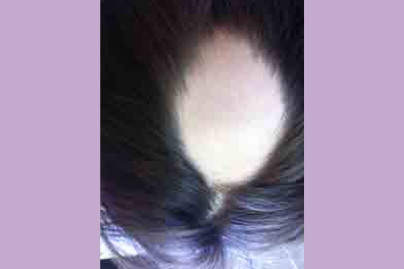
ALOPECIA AREATA
Patchy hair loss that can affect the scalp, beard, eyelashes and body hair. In rare cases it can progress to total scalp loss (alopecia totalis) or complete body hair loss (alopecia universalis). It is an autoimmune condition often linked to stress or genetic predisposition, and in many cases hair can regrow naturally.
Click ‘learn more’ to read the full description.
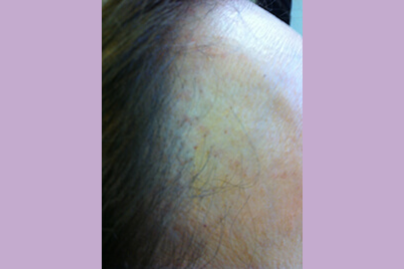
FRONTAL FIBROSING ALOPECIA
Frontal Fibrosing Alopecia mainly affects women after the menopause.
It is a scarring (cicatricial) alopecia that begins at the frontal hairline and can extend backwards.
Hair lost to scarring cannot be regrown, but topical treatments can often halt further spread.
Early diagnosis gives the best chance of control.
Click ‘learn more’ to read the full description.
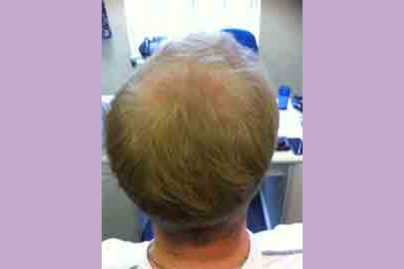
MALE PATTERN ALOPECIA
Male Pattern Alopecia has no cure, but treatments can significantly slow hair loss.
Prescription finasteride (Propecia) reduces the effect of androgens on hair follicles.
Topical treatments such as minoxidil and anti-androgens may improve hair thickness where follicles remain active.
Results are best when treatment begins early.
Click ‘learn more’ to read the full description.
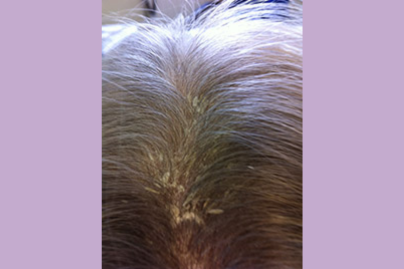
PITYRIASIS AMIENTACEA
Thick, tight scales form on the scalp, creating hard patches with matted hair at the roots.
It can cause hair loss, but this is usually reversible with correct treatment.
It is commonly mistaken for psoriasis and needs a proper differential diagnosis.
Most cases occur between 35–50 years of age.
Click ‘learn more’ to read the full description.
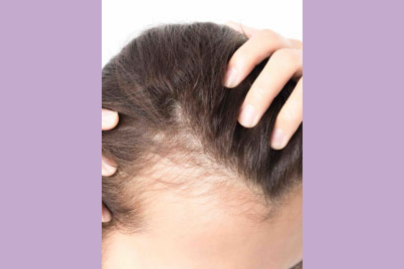
ANDROGENIC HAIR THINNING
Androgenic hair thinning is a gradual, progressive reduction in hair density rather than sudden hair loss.
It is driven by genetic sensitivity to hormones (androgens) affecting susceptible follicles.
Thinning typically appears at the crown, parting, or temples and worsens over time.
Early intervention gives the best chance of slowing progression.
Click ‘learn more’ to read the full description.
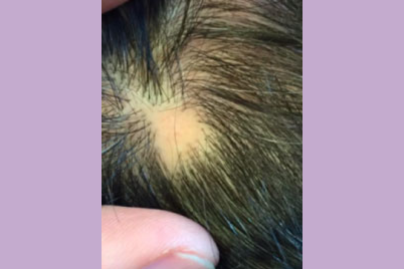
PSEUDOPELADE
Small patches of hairloss with indentations denuded of hair all over the scalp often described as like “Foot prints in the Snow”. In most cases very little inflammation and it can remain dormant for years. This type of hairloss is classed as cicatrical alopecia (permanent hairloss). The cause is unknown but treatment with topical antibiotics does help.
learn more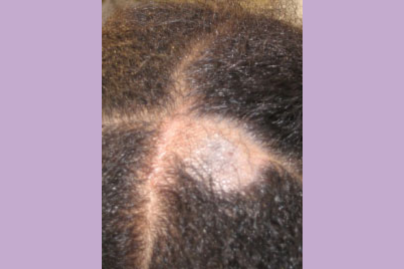
SCALP CONDITIONS
Home treatments are commonly recommended for inflammatory scalp conditions such as psoriasis and eczema.
Many patients improve with regular use of prescribed or advised products.
However, some people respond better to physical treatments such as massage therapy.
Professional support can enhance results where home care alone is insufficient.
Click ‘learn more’ to read the full description.